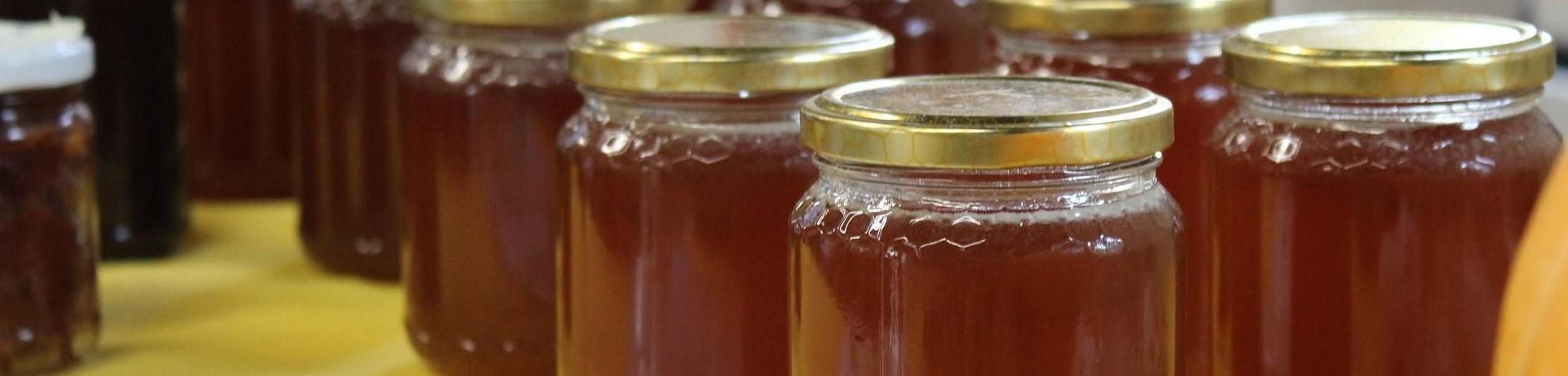
Honey of the Bisenzio Valley
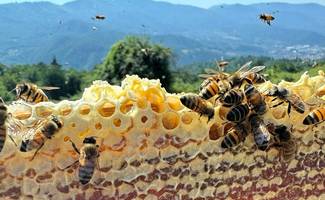
Bisenzio Valley honey is a premium product, an expression of the rich and pristine ecosystem of the Tuscan-Emilian Apennines. This prized nectar captures the unique aromas and flavors of the valley crossed by the Bisenzio river.
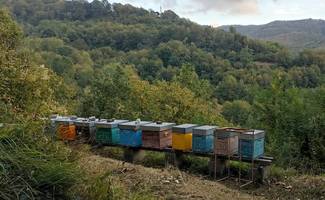
Production is concentrated in the Bisenzio Valley, a predominantly mountainous and hilly region characterized by lush forests of chestnut and black locust trees (acacia), as well as a rich variety of wild flora. The bees work in a relatively wild and untouched environment, which ensures healthy and abundant blooms, essential for the superior quality of the honey. Local beekeepers pass on an art that combines tradition with meticulous care for the environment and the bees.
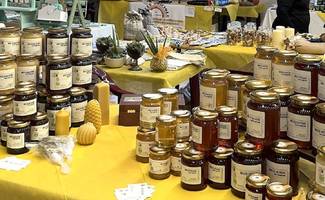
Honey production follows the cycle of local flowering plants, with several key moments throughout the season: May is the typical harvest period for Acacia Honey, known for its very pale color, delicate aroma (slightly vanilla-like), and very sweet flavor, making it one of the most beloved honeys; June-July is the flowering period of the chestnut tree, which produces Chestnut Honey. This honey is darker, less sweet, with a bitterish note and an aromatic, pungent aroma. It is the flagship of local production. Wildflower honey is produced throughout the season (spring-summer), its composition varying depending on the prevailing blooms, which can include cherry, lime, heather and wild scrub.
Other less common varieties include Lime Honey (balsamic) and Honeydew (a honey made not from nectar but from plant secretions, very dark and prized by athletes), harvested in late summer (August-September).
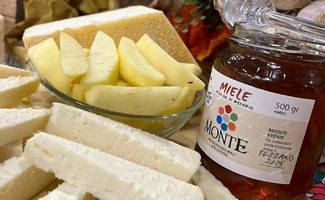
The honey of the Bisenzio Valley is extremely versatile. Acacia Honey is ideal for sweetening drinks and herbal teas without altering their flavor, or paired with ricotta and fresh cheeses. It's also excellent for enhancing fruit salads and delicate desserts.
Chestnut Honey is traditionally paired with mature cheeses (such as pecorino) and medium-mature cheeses. It's also traditionally used as a tonic and cough suppressant, often dissolved in warm milk.
Wildflower Honey is perfect for everyday use, spread on bread or in energy-giving breakfasts.
Beekeepers often offer other hive products and derivatives as part of their activities: pollen, propolis, royal jelly, mead and beeswax.
Val Bisenzio Honey is not just a food, but the result of a balance between man, bees, and pristine nature, a true legacy of flavor and tradition.